
How to Master the Korean Subway and Bus System

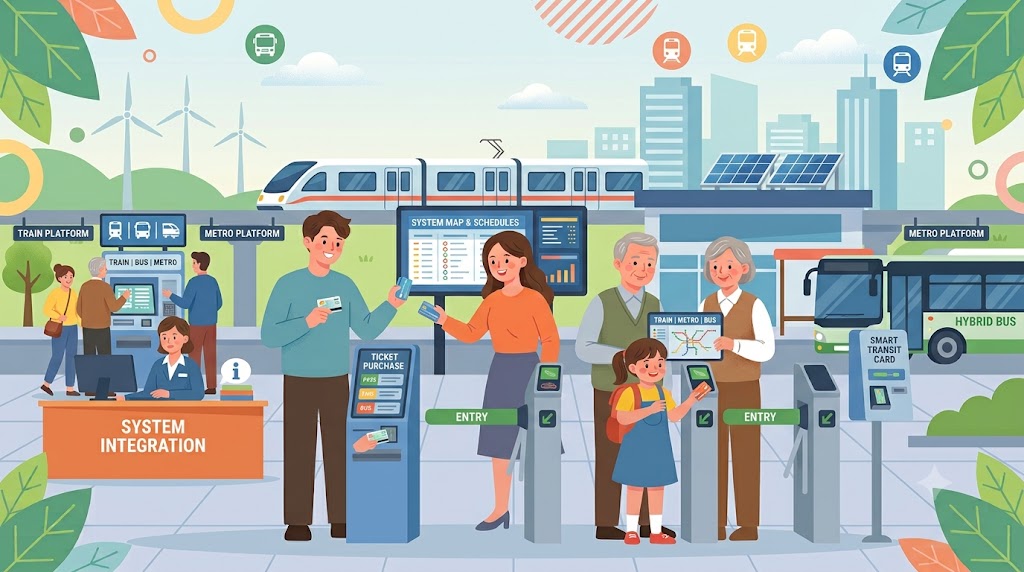
South Korea boasts one of the cleanest, fastest, and most affordable public transportation systems in the world. However, navigating the sprawling subway maps, bus transfer discounts, and transit card options can feel overwhelming when you first arrive.
Here is everything you need to know to commute around Korea like a seasoned local.
Phase 1: Getting Your Transit Card
While you can buy single-journey paper tickets at subway stations, having a rechargeable transit card is essential for daily life and unlocks vital transfer discounts.
- T-Money / Cashbee: The standard rechargeable transit cards. You can buy a physical card at any convenience store (CU, GS25, 7-Eleven) for around 3,000–5,000 KRW.
- Climate Card (기후동행카드): If you commute heavily within Seoul, this unlimited transit pass allows unlimited rides on Seoul subways and buses for a fixed monthly or short-term fee (ideal for frequent travelers and commuters within the city limits).
- Where to recharge: Physical transit cards must be topped up with cash at ticket machines inside subway stations or at convenience store checkout counters.
Phase 2: Mastering the Free Transfer System (Hwansung)
The Korean transit system offers a massive perk called Hwansung (환승)—free or heavily discounted transfers between subways and buses.
- Always tap in AND tap out: You must tap your card on the sensor when boarding and when getting off every bus and subway. If you forget to tap off, you will lose your transfer discount and get charged the maximum fare.
- Transfer window: You have 30 minutes (extended to 60 minutes between 9:00 PM and 7:00 AM) to hop onto your next bus or subway line to receive the transfer rate.
- Transfer limit: You can transfer up to 4 times within a single journey (5 total rides). Note that transfers between the exact same bus route number do not qualify.
Phase 3: The Essential Navigation Apps
Standard global mapping apps like Google Maps do not provide reliable real-time transit or walking directions in South Korea due to local mapping regulations. Download these instead:
- Naver Map (네이버 지도): Offers comprehensive English support, real-time bus arrival countdowns, subway departure timetables, and optimal walking routes.
- KakaoMap (카카오맵): Excellent real-time bus tracking and 3D street views.
- KakaoMetro: A dedicated, lightweight subway map app that tells you exactly which car and door number to stand at for the fastest transfers or exit stairs.
Golden Tips for Your Commute
- Mind the color-coded buses: In major metropolitan areas like Seoul, bus colors matter. Blue buses connect major districts across the city, Green buses handle short neighborhood feeder routes to subway stations, and Red buses are express commuter coaches connecting Seoul to Gyeonggi Province.
- Respect designated seats: Avoid sitting in the pink seats (reserved for pregnant women) or the end seats marked for the elderly and disabled, even when the train is completely packed.
- No open takeout cups on buses: Drivers will legally refuse entry if you carry open cups of coffee, bubble tea, or uncovered food onto city buses. Seal your drinks inside a bag before boarding.
“This guide is a lifesaver! I was so confused about the transfer system and the rules around takeout drinks on buses, but this breaks everything down clearly. Downloading Naver Map and KakaoMetro right now. Thanks for sharing such practical tips!”